
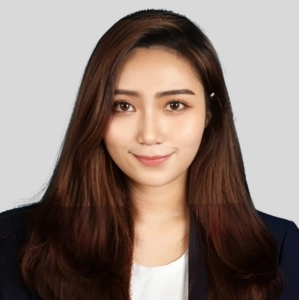
Ee Ling Tan
Ur Klinik, MalaysiaPresentation Title:
Efficacy of combination treatment with 1064-nm LowFluence Q-Switched Nd: YAG Laser (LFQSNY), 595-nm Pulsed Dye Laser (PDL), and oral tranexamic acid for melasma complicated by post-inflammatory hyperpigmentation and hypopigmentation: A case report
Abstract
Treatment for melasma remains challenging due to high recurrence rates and the adverse effects associated with available treatment options. This case report examines the efficacy of a combination therapy involving the 1064-nm Low-Fluence Q-Switched Nd: YAG laser (LFQSNYL), 595-nm Pulsed Dye Laser (PDL), and oral tranexamic acid (TA) for managing melasma complicated by post-inflammatory hyperpigmentation (PIH) and hypopigmentation. A 53-year-old Chinese Malaysian woman with Fitzpatrick skin type III presented to the author's clinic with melasma complicated by PIH and hypopigmentation following an ablative laser procedure performed by a nonprofessional. She underwent 20 sessions of LFQSNY and PDL at 4- to 6-week intervals over a period of 1 year and 6 months. Oral TA was administered at 250 mg once daily for 6 months. Improvement was assessed using a skin analyzer and a modified Melasma Area and Severity Index (mMASI) score. The patient’s melasma showed improvement. At the initial consultation, her mMASI score was 4.2, which reduced to 1.20 by the twentieth session. No deterioration in hyperpigmentation or hypopigmentation was observed, and no rebound melasma was reported throughout the treatment course. The combination of 1064-nm LFQSNY, 595-nm PDL, and oral TA appears to be a promising therapeutic option for melasma complicated by PIH and hypopigmentation. Further large-scale studies are essential to validate the efficacy and safety of this combination treatment in the Malaysian population.
Biography
Ee Ling Tan is a Licensed Aesthetic Medical Practitioner (LCP) at Ur Klinik, Malaysia. She has a strong interest in aesthetic dermatology, particularly in the management of pigmentary disorders such as melasma and post-inflammatory hyperpigmentation. She has clinical experience in utilizing laser-based therapies and combination treatment approaches to address complex skin conditions. Her work emphasizes evidence-based practice and individualized patient care, with a focus on optimizing treatment outcomes while minimizing complications. Dr. Tan is actively engaged in academic development and is committed to contributing to the advancement of aesthetic medicine through research and case reporting.

Organization Location
1309 Coffeen Avenue, STE 1200, Sheridan, Wyoming 82801, USA
General Enquiry
contact@scientexconferences.com
Finance Enquiry
finance@scientexconferences.com
Call us at
USA: : (+1)2027736144